
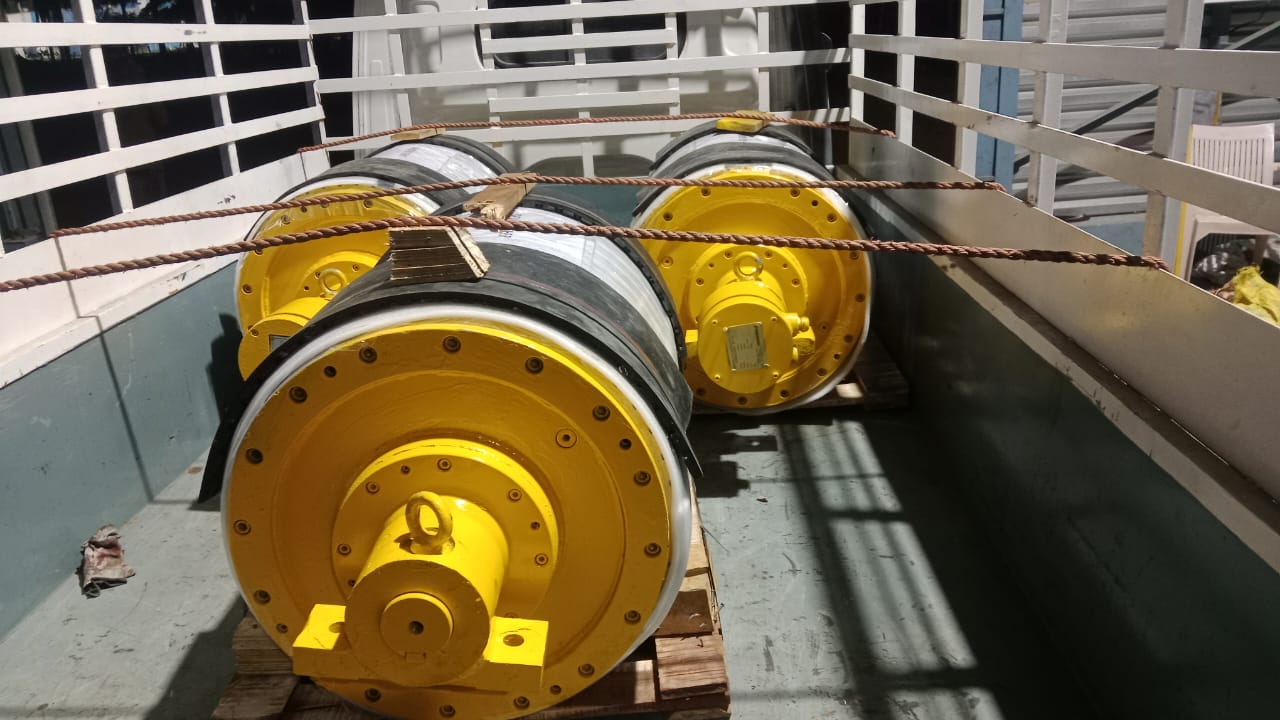
If you've started comparing quotes for a drum motor, you've probably noticed the numbers vary a lot between suppliers , sometimes for the same power rating. That gap usually isn't random. It comes down to build quality, materials, and what's actually included in the quote.
This guide walks through what drives drum motor price in India, what to look for beyond the number on the quote, and how to evaluate drum motor manufacturers so you're comparing like with like.
What Is a Drum Motor?
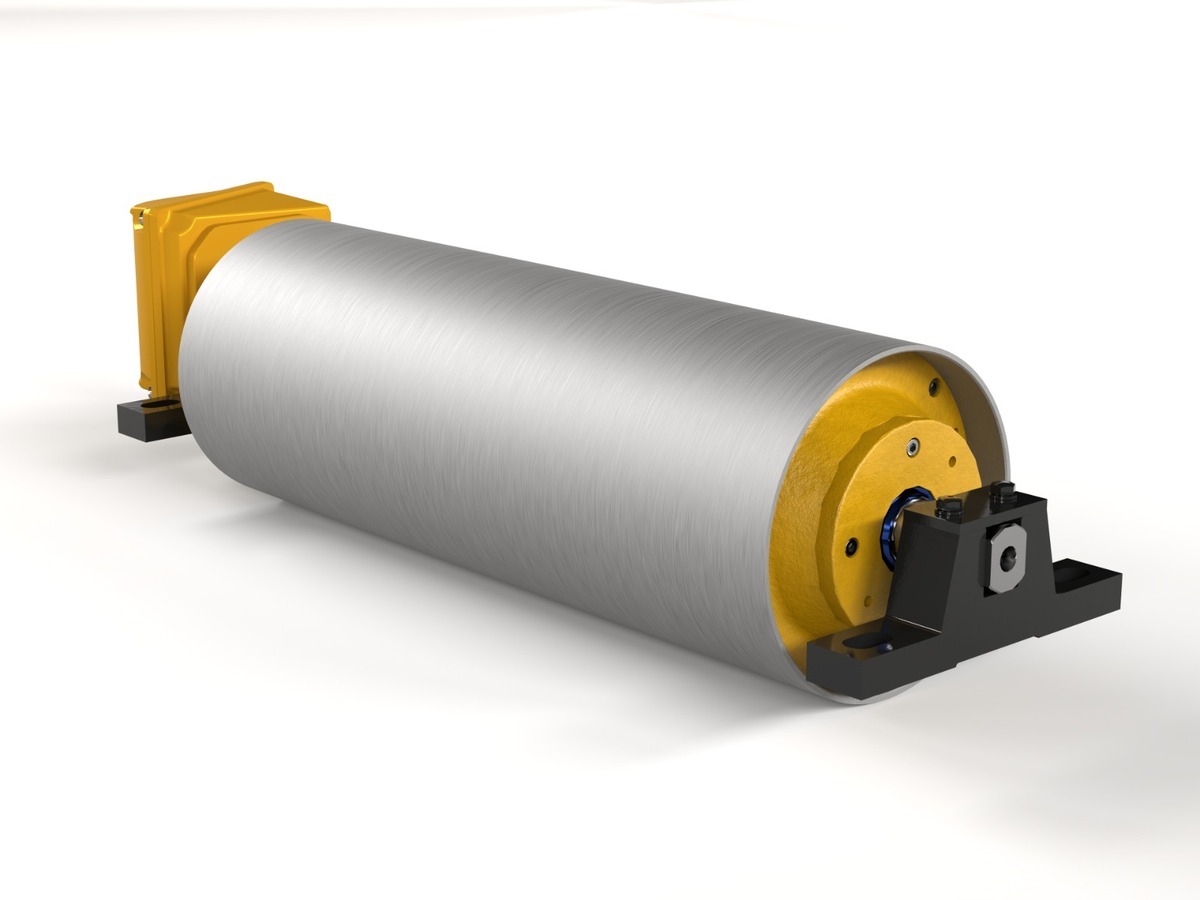
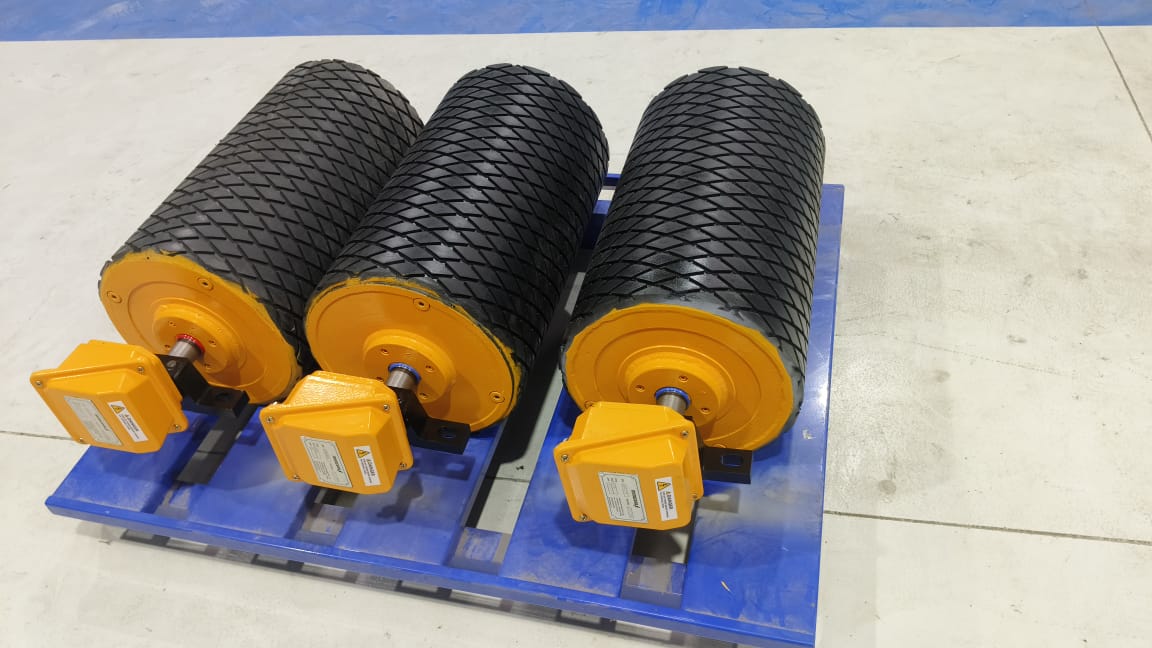
A drum motor is a fully enclosed conveyor drive where the motor and gearbox sit inside the conveyor pulley itself, rather than being mounted externally with belts, chains, or couplings. This design is common in bulk material handling, mining, food processing, and logistics because it removes exposed moving parts, reduces maintenance points, and takes up less space than a conventional external drive.
What Affects Drum Motor Price?
1. Power Rating and Torque Requirement Higher power and torque naturally mean larger internal components , bigger gearboxes, heavier windings , which increases cost. This is the single biggest driver of drum motor price.
2. Shell Diameter and Belt Width Drum motors are sized to match your conveyor belt width and required drum diameter. Larger shells cost more in raw material and machining.
3. Sealing and IP Rating A drum motor rated for washdown or wet environments (common in food processing or outdoor mining conveyors) needs better sealing than one used in a dry indoor application , and that adds to the price.
4. Gearbox Type Helical gearboxes are generally more efficient and quieter but cost more than simpler gear designs. The right choice depends on your duty cycle and noise tolerance requirements.
5. Material and Coating Standard painted steel shells cost less than stainless steel or specially coated shells used in corrosive or washdown environments.
6. Customisation A drum motor built to your exact shaft length, mounting configuration, and cable entry point costs more than a catalogue-standard unit, but it also avoids costly on-site modifications later.
7. After-Sales Support and Warranty Terms Some quotes look cheaper because they exclude installation support, spare parts stock, or a shorter warranty period. Always check what's included before comparing two numbers side by side.
Typical Price Range Guidance
Exact drum motor price depends heavily on power, size, and specification, so we don't publish fixed numbers here , pricing should be based on your actual conveyor requirements. What we can say is this: the cheapest quote on paper is rarely the lowest total cost once you factor in maintenance frequency, spare part availability, and expected service life. Get a quote based on your specific application rather than comparing generic listed prices.
How to Choose the Right Drum Motor Manufacturer
Not all drum motor manufacturers build to the same standard. Here's what to check:
| What to Check | Why It Matters |
| In-house manufacturing vs. assembly of bought-in parts | In-house control usually means better consistency and faster fault diagnosis |
| Sealing and bearing quality | Determines service life in dusty, wet, or outdoor conditions |
| Ability to customise for your conveyor | Avoids retrofitting or ordering the wrong shaft/mounting spec |
| Spare parts and service network | Impacts how quickly you can get back up and running after a failure |
| Experience with your industry's conveyor belt application | Mining, food processing, and logistics all have different duty demands |
Drum Motors in Conveyor Belt Applications
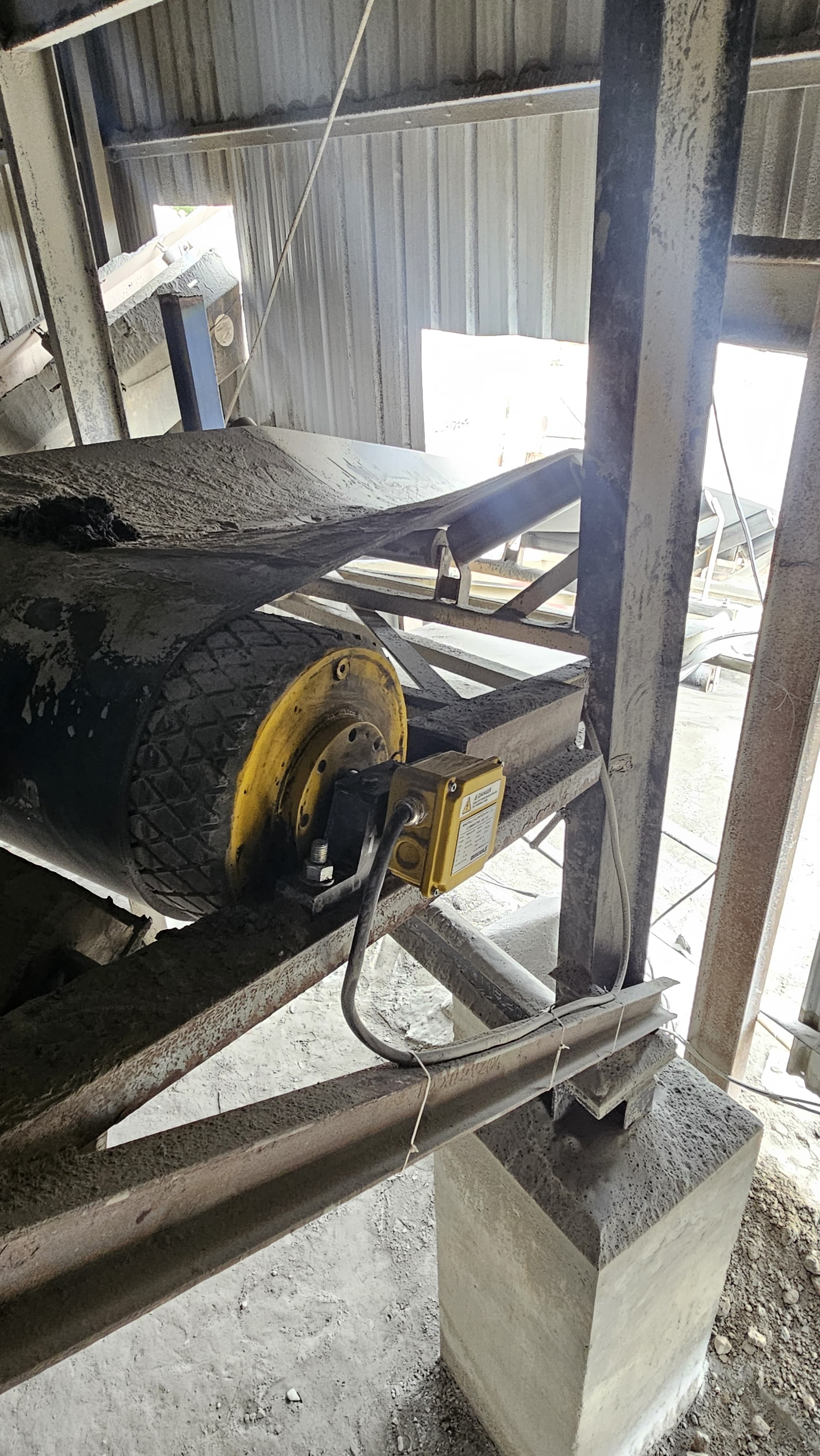
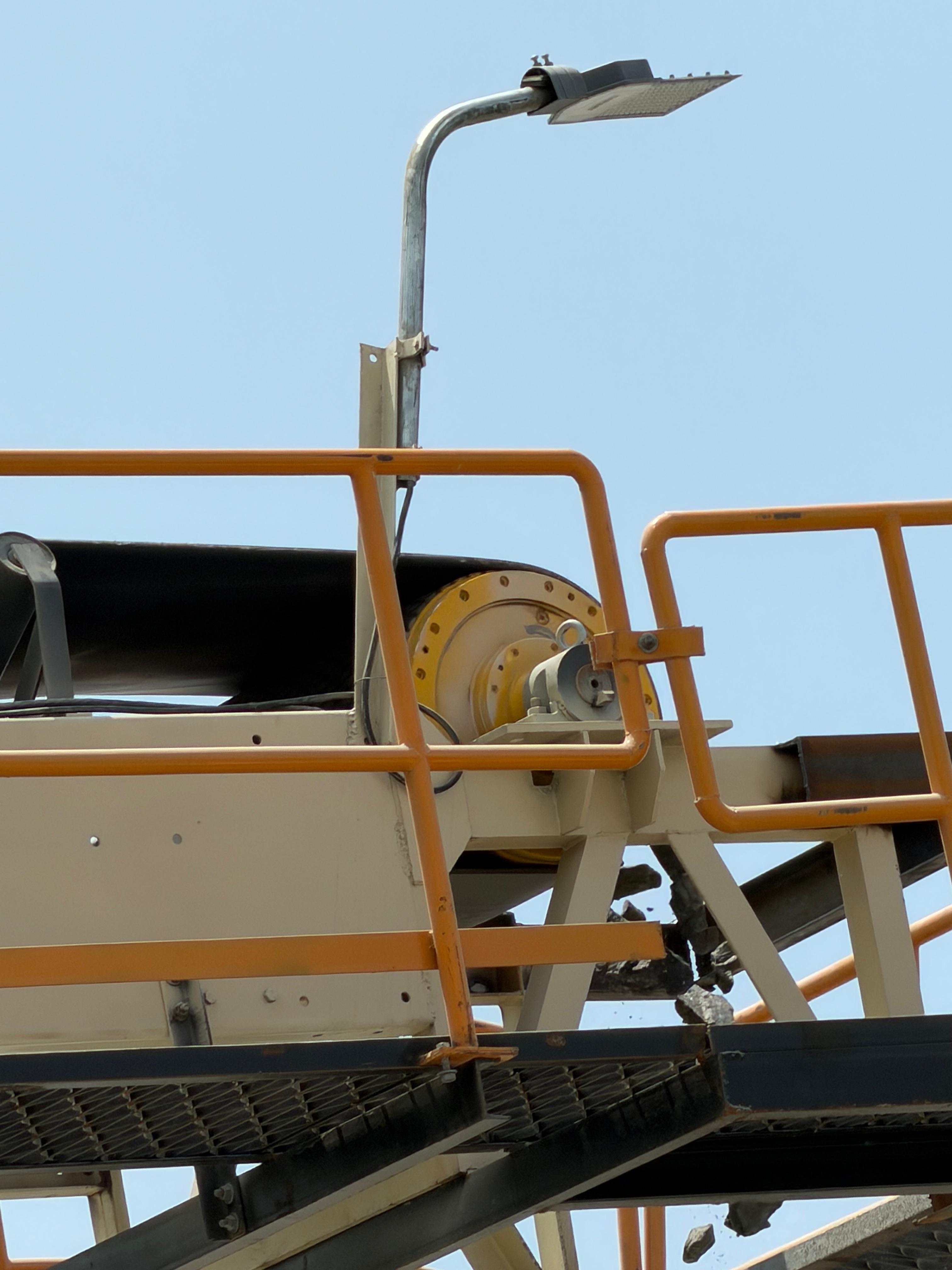
Drum motors are used across a wide range of conveyor belt application settings , from mining and aggregate handling, where dust and abrasive material are a constant concern, to food and packaging lines, where washdown and hygiene are the priority. The right drum motor for a mining conveyor (rugged sealing, high torque, dust resistance) looks very different from the right one for a packaging line (lower torque, hygienic coating, quieter operation). This is why sizing a drum motor around your actual application , not just belt width , matters more than chasing the lowest quoted price.
Drum Motors vs. Conventional External Drives
| Drum Motor | External Drive (Motor + Pulley + Chain/Belt) | |
| Moving parts exposed | No | Yes |
| Maintenance points | Fewer | More (chain, coupling, guard) |
| Footprint | Compact | Larger |
| Initial cost | Often higher per unit | Often lower per unit |
| Long-term maintenance cost | Typically lower | Typically higher |
If you're currently using an external drive with a separate motor pulley manufacturer supplying the pulley component, it's worth comparing the total cost of ownership against switching to a drum motor , particularly if your conveyor runs in a dusty, wet, or hard-to-access location where maintenance visits are costly.
Related Equipment to Consider
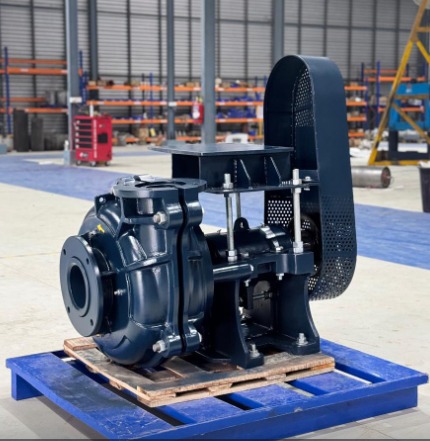
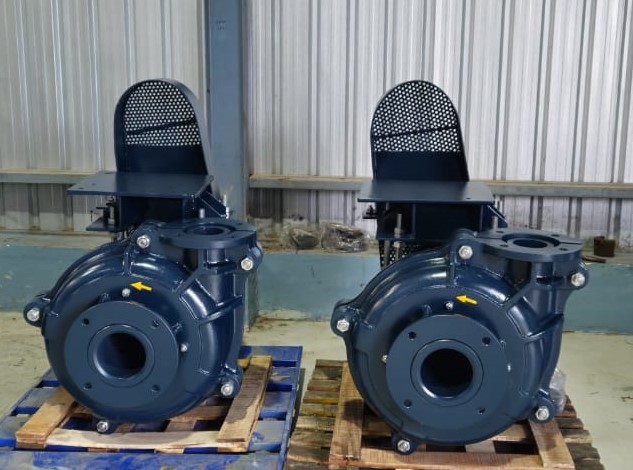
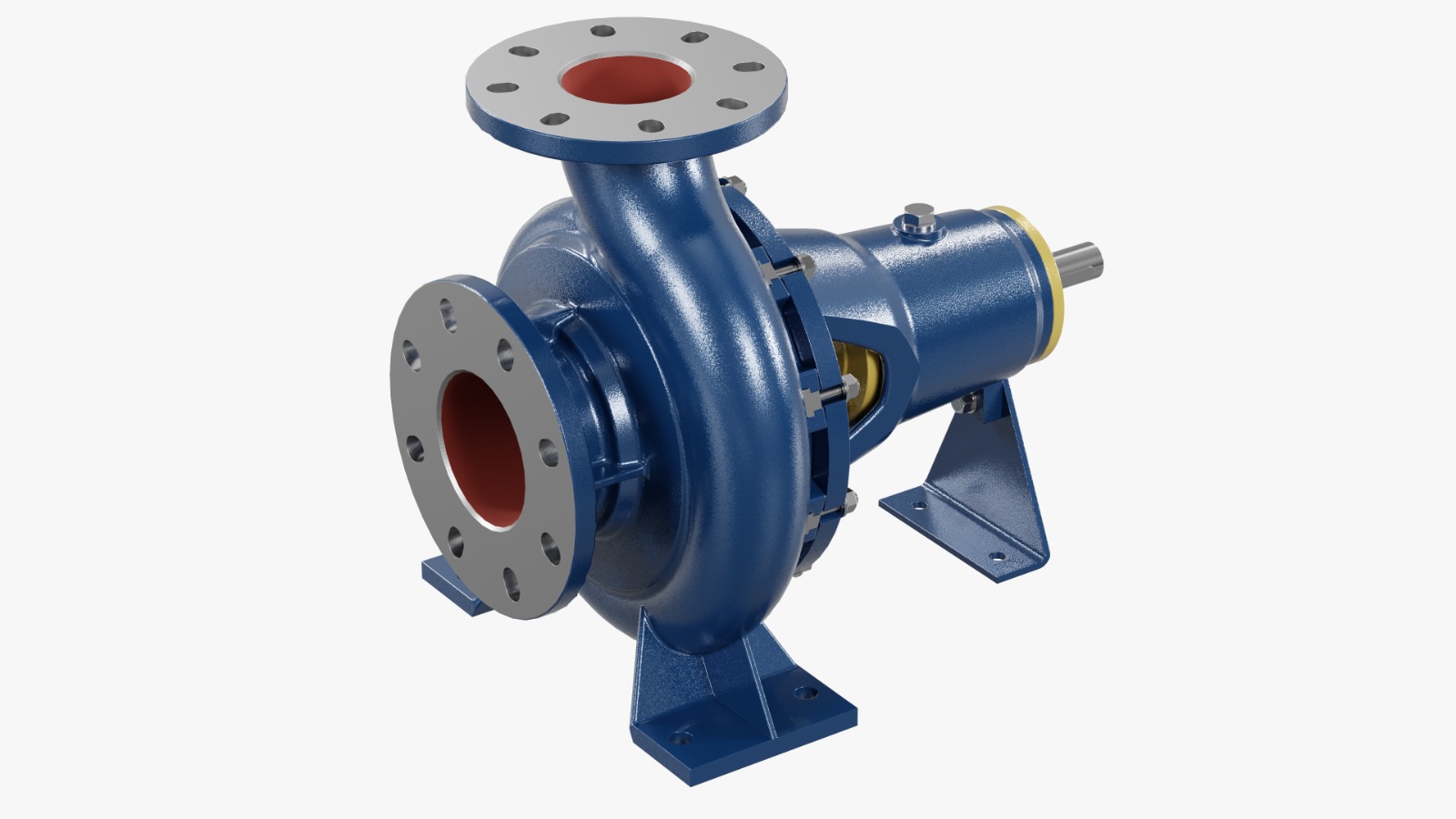
Drum motors rarely operate in isolation. If your material handling system also includes pumps for slurry transfer or washdown, it's worth sourcing them from pump manufacturers who understand industrial and mining-grade duty , the same way you'd choose a drum motor manufacturer with mining or bulk handling experience rather than a general-purpose supplier.
Final Thoughts
Drum motor price varies for real engineering reasons , power, sealing, materials, and customisation all play a part. Rather than comparing bare numbers across suppliers, ask what's included, check the manufacturer's in-house capability, and size the drum motor to your specific conveyor belt application. That's what determines whether you get years of low-maintenance service or a drive that needs constant attention.
Frequently Asked Questions
1. Why do drum motor prices vary so much between suppliers? Price differences usually come down to power rating, shell size, sealing quality, gearbox type, and what's included in the quote , such as installation support or warranty length , not just brand markup.
2. What is the average lifespan of a drum motor? With proper sizing and maintenance, industrial drum motors typically last many years; actual lifespan depends on duty cycle, environment, and build quality.
3. Is a drum motor more expensive than a conventional conveyor drive? Often the upfront cost is similar or slightly higher, but drum motors typically have lower long-term maintenance costs due to fewer exposed moving parts.
4. Can drum motors be customised for specific conveyor widths? Yes, reputable drum motor manufacturers can build to your exact belt width, shaft configuration, and mounting requirements rather than only offering standard sizes.
5. What sealing rating do I need for an outdoor mining conveyor? Outdoor and mining applications typically require higher IP-rated sealing to handle dust and moisture exposure; your supplier should size this to your specific site conditions.
6. Do drum motors need a separate motor pulley? No , a drum motor integrates the motor, gearbox, and pulley shell into one unit, which is different from a conventional setup that uses a separate motor pulley connected externally.
7. How do I get an accurate drum motor price quote? Provide your required power/torque, belt width, drum diameter, operating environment, and duty cycle , accurate quotes depend on these specifics rather than a generic catalogue price.
8. What maintenance do drum motors require? Drum motors generally need less frequent maintenance than external drives, but periodic checks on seals, bearings, and oil condition (for oil-cooled models) are still recommended.
9. Can a drum motor be used in food or hygienic conveyor belt applications? Yes, with an appropriate stainless steel shell and washdown-rated sealing, drum motors are widely used in food and packaging conveyor lines.
10. What questions should I ask a drum motor manufacturer before ordering? Ask whether components are manufactured in-house, what sealing and bearing specification is used, what customisation is possible, and what spare parts and service support are available after installation.
.jpeg)
.jpeg)
.jpeg)