Industrial operations often face costly delays when pumping systems fail unexpectedly. Choosing the wrong pump can increase maintenance costs and reduce productivity. The right pumping solution helps maintain consistent flow across demanding applications. Therefore, selecting an experienced manufacturer becomes essential for industrial businesses.
India has several manufacturers offering different industrial pumping solutions. However, every industry requires pumps with specific performance characteristics. Mining operations, for example, handle abrasive materials and heavy slurry. These conditions demand durable pumps with excellent wear resistance.
Understanding Industrial Pumps and Their Applications
Industrial pumps move liquids, slurries, and process materials between locations. They support essential operations across multiple industrial sectors. Their performance directly affects production efficiency and operational reliability. Selecting suitable equipment helps businesses maintain uninterrupted material movement.
Industrial pumps generally work through two operating principles:
- Dynamic pumps: Transfer energy continuously through rotating components.
- Positive displacement pumps: Move fixed fluid volumes through mechanical displacement.
Industries select different designs depending on their operating requirements. Fluid characteristics also influence the final equipment selection.
Different Types of Industrial Pumps
Understanding pump types helps businesses select suitable equipment. Each design handles specific materials and operating conditions differently.
1. Centrifugal Pumps
Centrifugal pumps use rotating impellers to move fluids efficiently. The impeller transfers mechanical energy into fluid movement. These pumps support continuous operations across several industrial applications.
Common applications include:
- Water circulation and distribution systems.
- Industrial cooling and processing operations.
- General fluid transfer applications.
- Irrigation and water treatment facilities.
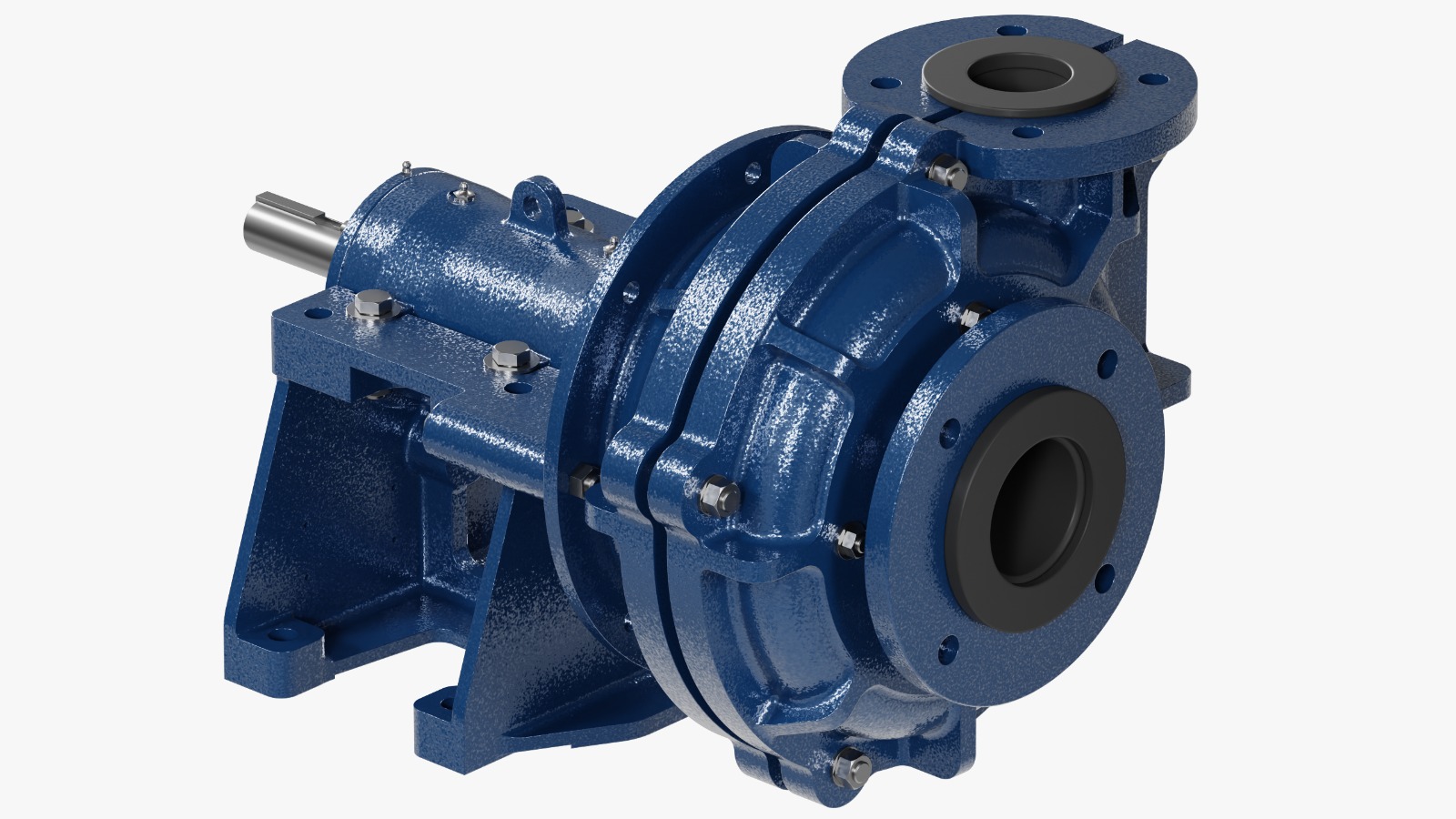
2. Horizontal Slurry Pumps
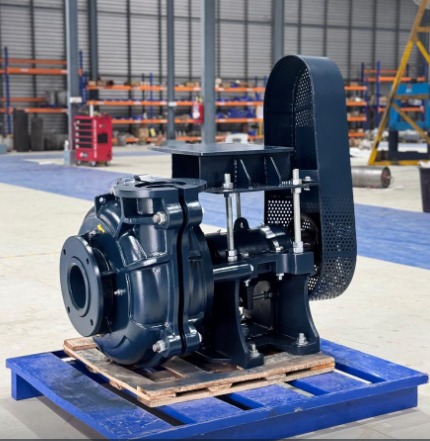
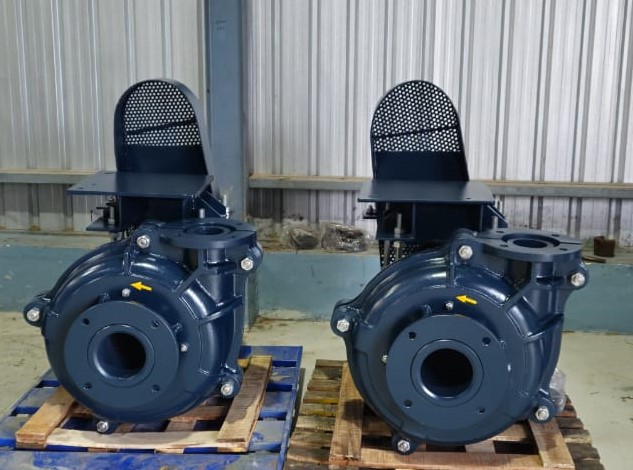
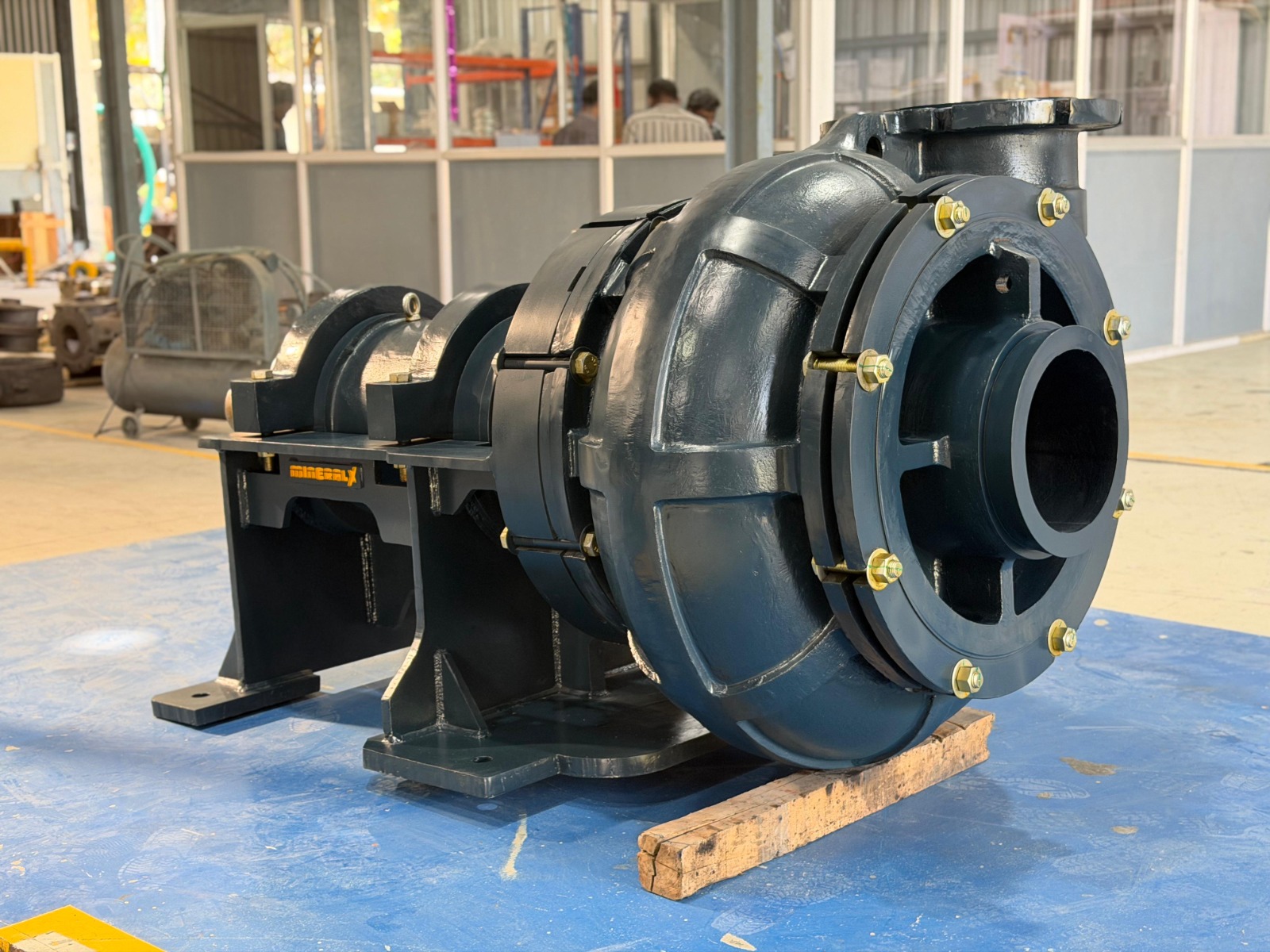
Horizontal slurry pumps transport abrasive mixtures containing suspended solid particles. Their robust construction supports demanding industrial material handling requirements. Mining and mineral processing facilities commonly use these pumps.
Important applications include:
- Mine tailings transportation.
- Mineral processing and mill discharge.
- Sand washing and aggregate processing.
- Coal handling and slurry transportation.
Mineralx Flowtech offers horizontal slurry pumps for demanding applications. Its range includes different capacities for varying operational requirements.
3. Vertical Slurry Pumps
Vertical slurry pumps handle materials from pits and sumps. Their installation supports applications with limited floor space. These pumps help manage abrasive materials within industrial facilities.
Common applications include:
- Industrial sump operations.
- Mining and mineral processing facilities.
- Wastewater and sediment handling.
- Slurry collection and transfer systems.
4. Submersible Pumps
Submersible pumps operate while completely immersed in liquids. Their sealed construction protects motors against surrounding liquid exposure. Industries use them for specific submerged pumping applications.
5. Process Pumps
Process pumps transfer fluids throughout industrial production systems. They handle different materials depending on their construction. Suitable configurations support abrasive, corrosive, and high-solids applications.
Mineralx Flowtech offers process pumps for demanding industrial environments. These solutions support mining, construction, and wastewater treatment operations.
Major Industries That Depend on Industrial Pumping Systems
Different industries require pumps for specific material handling operations. Choosing suitable equipment helps maintain reliable production processes.
| Industry | Common pumping applications |
| Mining | Slurry transportation and tailings handling |
| Mineral processing | Mill discharge and mineral transfer |
| Construction | Slurry movement and dewatering |
| Aggregate processing | Sand washing and fines recovery |
| Wastewater treatment | Sludge and wastewater transfer |
| Petrochemicals | Process fluid handling |
Abrasive applications require additional attention during equipment selection. Material hardness, particle size, and slurry concentration matter. These factors influence pump performance and component wear.
Services and Support Offered by Industrial Pump Manufacturers
Industrial pumping systems require proper support throughout their operating life. Regular maintenance helps prevent unexpected equipment failures. Manufacturers can assist businesses through different technical services.
Important support requirements include:
- Installation assistance: Supports correct equipment positioning and connections.
- Commissioning: Checks operational readiness before regular production begins.
- Preventive maintenance: Identifies potential problems before major failures occur.
- Spare parts: Helps replace worn components when required.
- Technical support: Provides guidance for application-related performance problems.
- Troubleshooting: Helps identify vibration, leakage, and flow-related issues.
Always confirm the manufacturer's actual service capabilities before purchasing equipment.
How Industrial Pumps Are Manufactured
Quality manufacturing involves several important engineering and production stages. Each stage contributes towards dependable equipment performance.
Step 1: Understanding Application Requirements
Manufacturers first evaluate the customer's actual operating conditions. Engineers examine flow requirements, material properties, and operating environments. This assessment helps determine suitable pump configurations and specifications.
Step 2: Pump Design and Engineering
Engineers develop designs according to identified application requirements. They consider hydraulic performance, component strength, and operating efficiency. Proper engineering supports reliable performance under demanding industrial conditions.
Step 3: Component Manufacturing and Assembly
Manufacturers produce individual components according to approved specifications. Workers assemble components while maintaining dimensional accuracy and alignment. Proper assembly supports smoother operation and dependable equipment performance.
Step 4: Inspection and Performance Testing
Testing helps identify manufacturing defects before equipment reaches customers. Engineers examine hydraulic performance and important operating parameters. Inspection procedures should follow the applicable product requirements.
Step 5: Final Quality Control
The final stage verifies equipment readiness before dispatch. Manufacturers document relevant inspection and testing results. Proper quality control supports consistent product performance and reliability.
How to Choose the Right Industrial Pump
Selecting unsuitable equipment can increase operating expenses significantly. Buyers should evaluate several technical factors before purchasing.
Consider these important points:
- Fluid characteristics: Identify viscosity, density, and chemical properties.
- Solid content: Check particle size, concentration, and abrasiveness.
- Flow rate: Determine the required liquid or slurry volume.
- Total dynamic head: Calculate the complete pumping system requirements.
- Material selection: Match construction materials with fluid characteristics.
- Operating conditions: Consider temperature, pressure, and working hours.
- Maintenance: Evaluate component availability and servicing requirements.
- Energy consumption: Compare efficiency across suitable pump configurations.
For slurry applications, wear resistance deserves particular attention. Abrasive particles can gradually damage impellers and internal liners. Selecting suitable materials helps manage component wear effectively.
Important Factors Affecting Industrial Pump Performance
Pump performance depends on equipment design and operating conditions. Incorrect installation can also reduce overall pumping efficiency.
Watch these common problems:
| Problem | Possible cause | Recommended action |
| Reduced flow | Blockage or impeller wear | Inspect internal components |
| Excessive vibration | Misalignment or imbalance | Check alignment and bearings |
| Fluid leakage | Damaged seals or connections | Inspect sealing components |
| Overheating | Poor lubrication or overload | Check operating conditions |
| Cavitation | Insufficient suction pressure | Review suction system design |
Regular inspections help identify these problems during early stages. Maintenance schedules should follow manufacturer recommendations and operating conditions.
Benefits of Choosing High-Quality Pumping Solutions
Reliable pumping equipment supports smoother industrial operations. Suitable equipment also helps businesses manage maintenance expenses effectively.
Major benefits include:
- Improved productivity: Maintains consistent material movement across operations.
- Better durability: Handles demanding applications with suitable construction materials.
- Reduced downtime: Minimises interruptions caused by equipment-related failures.
- Operational efficiency: Supports stable performance under specified working conditions.
- Lower maintenance costs: Reduces avoidable repairs through proper equipment selection.
- Longer service life: Protects equipment through suitable operation and maintenance.
However, performance depends on correct selection and installation. Regular maintenance remains essential throughout the equipment lifecycle.
Why Choose Mineralx Flowtech for Industrial Pumping Solutions?
Mineralx Flowtech delivers engineered pumping and material handling solutions. The company focuses on demanding industrial applications and requirements. Its product range supports mining and mineral processing operations.
Mineralx Flowtech offers several important solutions:
- Horizontal slurry pumps: Handle abrasive materials across demanding applications.
- Vertical slurry pumps: Support sump and slurry handling requirements.
- Process pumps: Handle abrasive, corrosive, and high-solids process fluids.
- Application-specific solutions: Address different industrial operating conditions.
The company also provides customised solutions for industrial requirements. Its approach combines engineering expertise with application-focused product development. Technical assistance supports customers throughout their equipment requirements.
Get the Right Pumping Solution for Your Industry
Choosing the right pump protects productivity and operating efficiency. Every industrial application requires careful technical evaluation before purchasing. Mineralx Flowtech provides engineered solutions for demanding industrial applications. Its slurry and process pumps support challenging material handling requirements.
Looking for reliable industrial pump manufacturers in India?
Connect with Mineralx Flowtech to discuss your requirements. Get expert guidance for selecting suitable industrial pumping solutions. Visit Mineralx Flowtech or contact the team today.
Frequently Asked Questions
1. Who are the leading pump manufacturers in India?
India has manufacturers serving different industrial pumping requirements. Buyers should compare technical capabilities, product quality, and support. Application experience also matters when selecting suitable manufacturers.
2. What are the different types of industrial pumps?
Common types include centrifugal, slurry, submersible, and process pumps. Gear, screw, diaphragm, and reciprocating pumps serve specific applications.
3. Which pump is suitable for mining applications?
Slurry pumps are commonly used in mining operations. They transport abrasive mixtures containing suspended solid particles. Selection depends on flow, head, and slurry characteristics.
4. What is a slurry pump used for?
Slurry pumps transport mixtures containing liquids and suspended solids. Industries use them for mineral processing and tailings transportation. Sand washing plants also depend on suitable slurry pumps.
5. What is the difference between horizontal and vertical slurry pumps?
Horizontal pumps use horizontally mounted shafts and pumping assemblies. Vertical pumps operate with vertically arranged pumping configurations. Installation conditions and sump requirements influence equipment selection.
6. How do I select the right industrial pump?
First, identify fluid properties and required operating conditions. Then evaluate flow rate, head, materials, and efficiency. Consult experienced engineers before finalising your equipment selection.
7. What factors affect industrial pump prices in India?
Pump prices depend on capacity, materials, and design complexity. Motor specifications and customisation also influence the final cost. Installation and maintenance requirements affect total ownership expenses.
8. How often should industrial pumps receive maintenance?
Maintenance frequency depends on operating conditions and manufacturer recommendations. Heavy-duty applications may require more frequent component inspections. Regular monitoring helps identify potential problems before equipment failure.
9. What causes industrial pump failure?
Common causes include cavitation, excessive vibration, and seal damage. Incorrect installation and unsuitable operating conditions also contribute. Regular inspections help reduce unexpected equipment failures.
10. Why should businesses choose experienced pump manufacturers?
Experienced manufacturers understand different industrial application requirements better. They can recommend suitable configurations and technical specifications. Reliable support also helps maintain long-term operational performance.
.jpeg)