Choosing the wrong drum motor increases costs and downtime. Buyers need more than the lowest available purchase price. They must consider load, speed, durability, and operating conditions. This guide explains prices, specifications, and essential buying considerations.
What Is a Drum Motor?
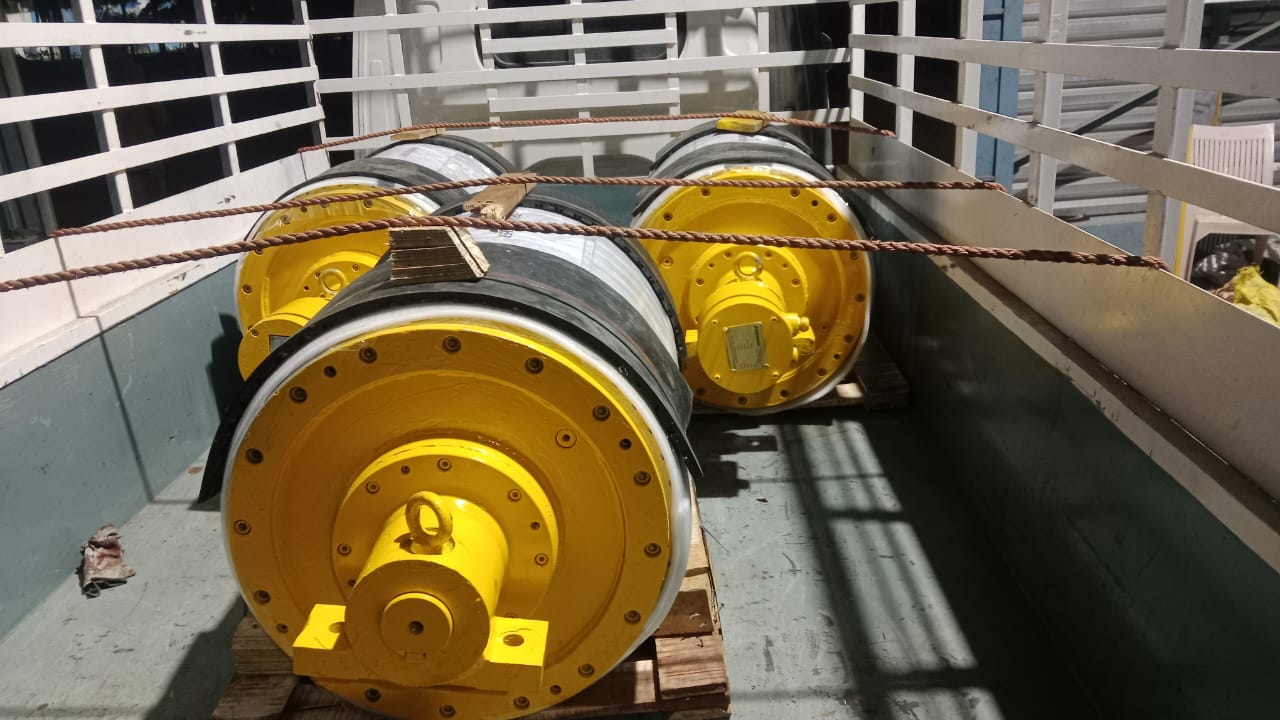
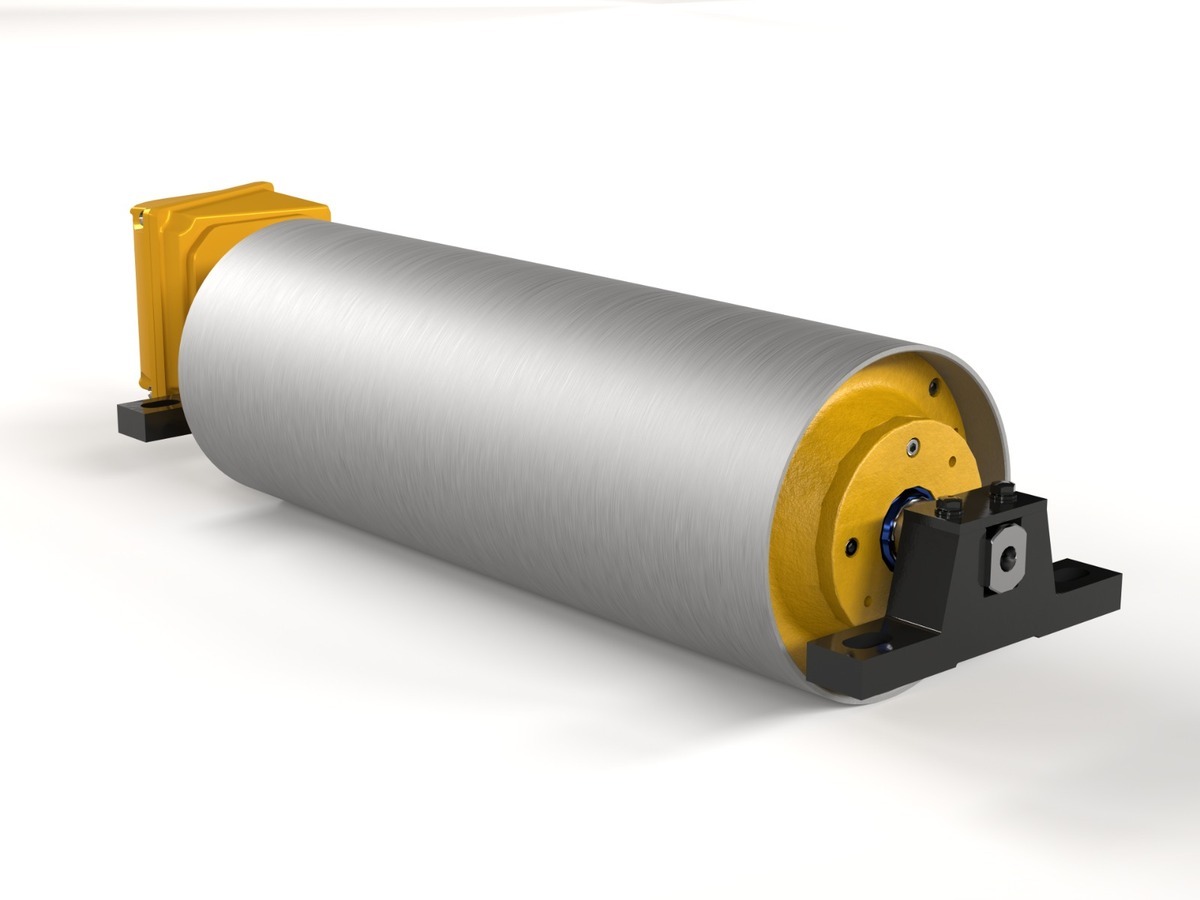
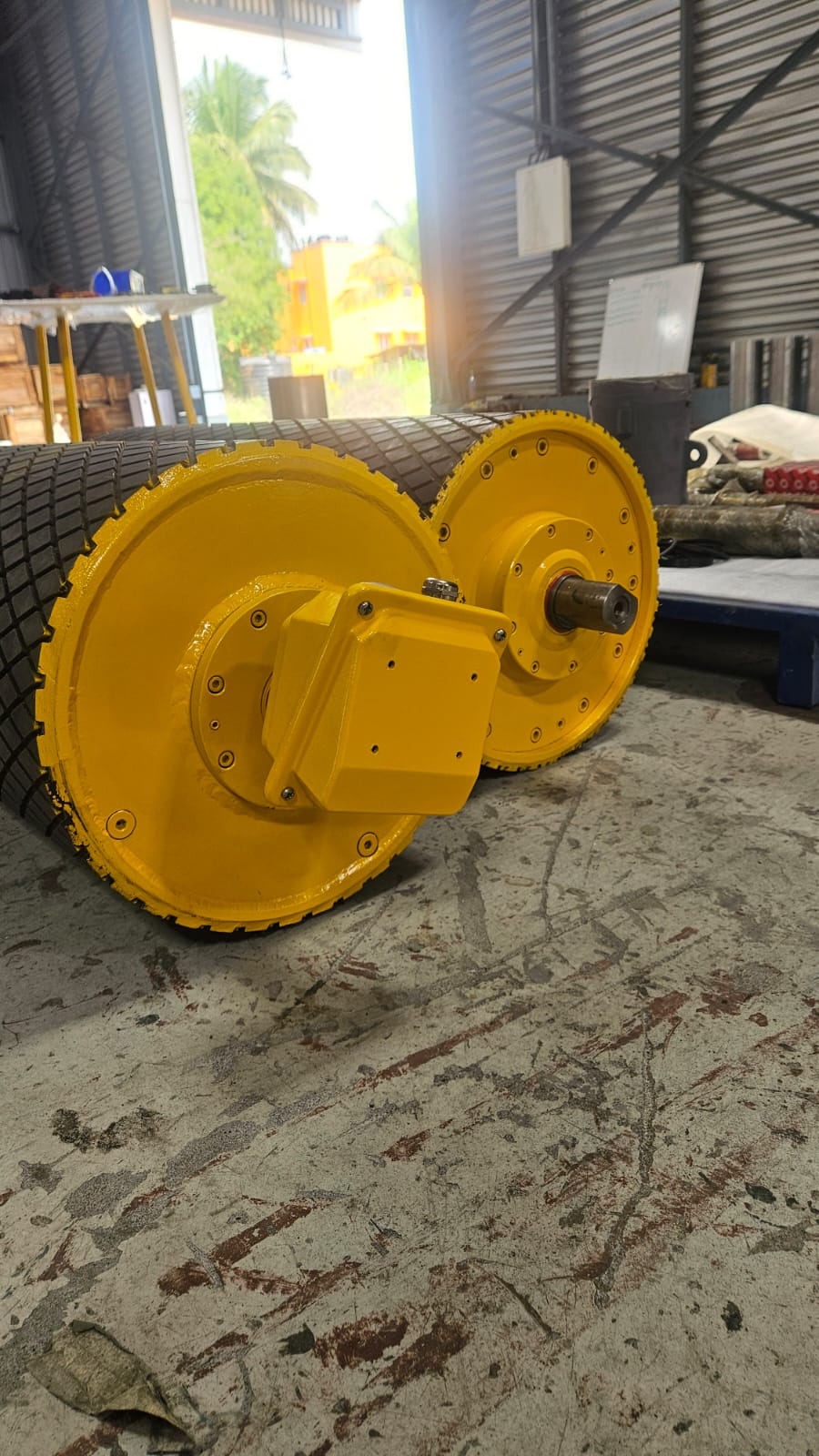
A drum motor powers conveyor belts through an integrated design. It houses the electric motor and gearbox inside. These components sit within a sealed cylindrical drum. This compact arrangement drives belts without external transmission components.
Unlike conventional drives, drum motors simplify conveyor installations. They reduce exposed moving parts and maintenance requirements. Their enclosed construction also improves workplace safety. Industries use them for demanding material handling operations.
How Much Does a Drum Motor Cost in India?
The Drum motor price in India varies by specification. Power, diameter, torque, and protection affect the final cost. Customisation and operating conditions also influence supplier quotations.
Public supplier listings show substantial price differences. Listed examples range from ₹25,000 to ₹3,50,000. These prices represent different products and configurations. They should not be treated as standard market rates.
| Drum motor listing | Indicative listed price |
| Conveyor drum motor | ₹25,000 |
| Electric drum motor | ₹80,000 |
| Industrial drum motor | ₹99,000 |
| DM500 motorized pulley | ₹1,34,988 |
| Three-phase drum motor | ₹3,50,000 |
Note: These are indicative marketplace listings, not comparable specifications or guaranteed quotations.
Always request application-specific pricing before placing orders. Compare technical specifications alongside the quoted amount. This helps identify the actual value offered.
What Factors Affect Drum Motor Prices?
Several engineering factors determine the final purchase cost. Understanding them helps buyers make better decisions.
1. Motor Power and Torque
Higher motor power generally requires stronger internal components. Heavy loads also demand greater starting and running torque. These requirements influence motor size and gearbox selection.
2. Drum Diameter and Belt Width
Larger drum diameters require additional material and machining. Belt width also influences the required drum dimensions. Buyers should match both measurements with conveyor requirements.
3. Protection Rating and Sealing
Industrial environments expose motors to dust and moisture. Better sealing protects internal components against environmental damage. IP66 and IP67 options support demanding operating conditions.
4. Gearbox Design
The gearbox transfers motor power to the drum. Its design influences torque, efficiency, and operating noise. Suitable gearing supports reliable conveyor performance.
5. Construction Material and Customisation
Standard steel construction suits many industrial applications. Stainless steel supports demanding hygiene and corrosion requirements. Special coatings and lagging can increase overall costs.
Custom shaft dimensions may also affect manufacturing expenses. Cable entry and mounting options require careful consideration. Choose customisation according to actual operating needs.
Choosing the Right Drum Motor for Your Application
The right motor must match your conveyor's working conditions. A suitable selection improves reliability and operating efficiency. Consider these important technical requirements before purchasing.
| Selection factor | What buyers should check |
| Load capacity | Maximum material weight and belt loading |
| Belt speed | Required conveyor speed in metres per second |
| Drum diameter | Available space and belt compatibility |
| Motor power | Required kW based on conveyor load |
| Torque | Starting and continuous operating requirements |
| Protection | IP rating for dust and moisture exposure |
| Duty cycle | Operating hours and starting frequency |
| Installation | Shaft mounting and available conveyor space |
Share these details with manufacturers before requesting quotations. Their engineers can recommend suitable configurations for your system.
Applications Across Indian Industries
A suitable drum motor supports different material handling requirements. Its design helps conveyors operate in demanding environments. Common applications include:
Mining and Mineral Processing
- Moving minerals, ores, and extracted materials.
- Supporting continuous material transportation operations.
- Handling demanding loads and dusty environments.
Cement and Aggregate Plants
- Transporting cement, sand, and crushed stones.
- Supporting crushing, screening, and processing lines.
- Maintaining consistent material movement between production stages.
Food Processing and Packaging
- Moving packaged products across production lines.
- Supporting compact conveyor installations and hygienic designs.
- Using suitable stainless steel and sealing options.
Recycling and Waste Management
- Transporting recyclable materials through sorting systems.
- Handling variable loads and demanding operating conditions.
- Reducing exposed components around conveyor equipment.
Conveyor Belt Application in India
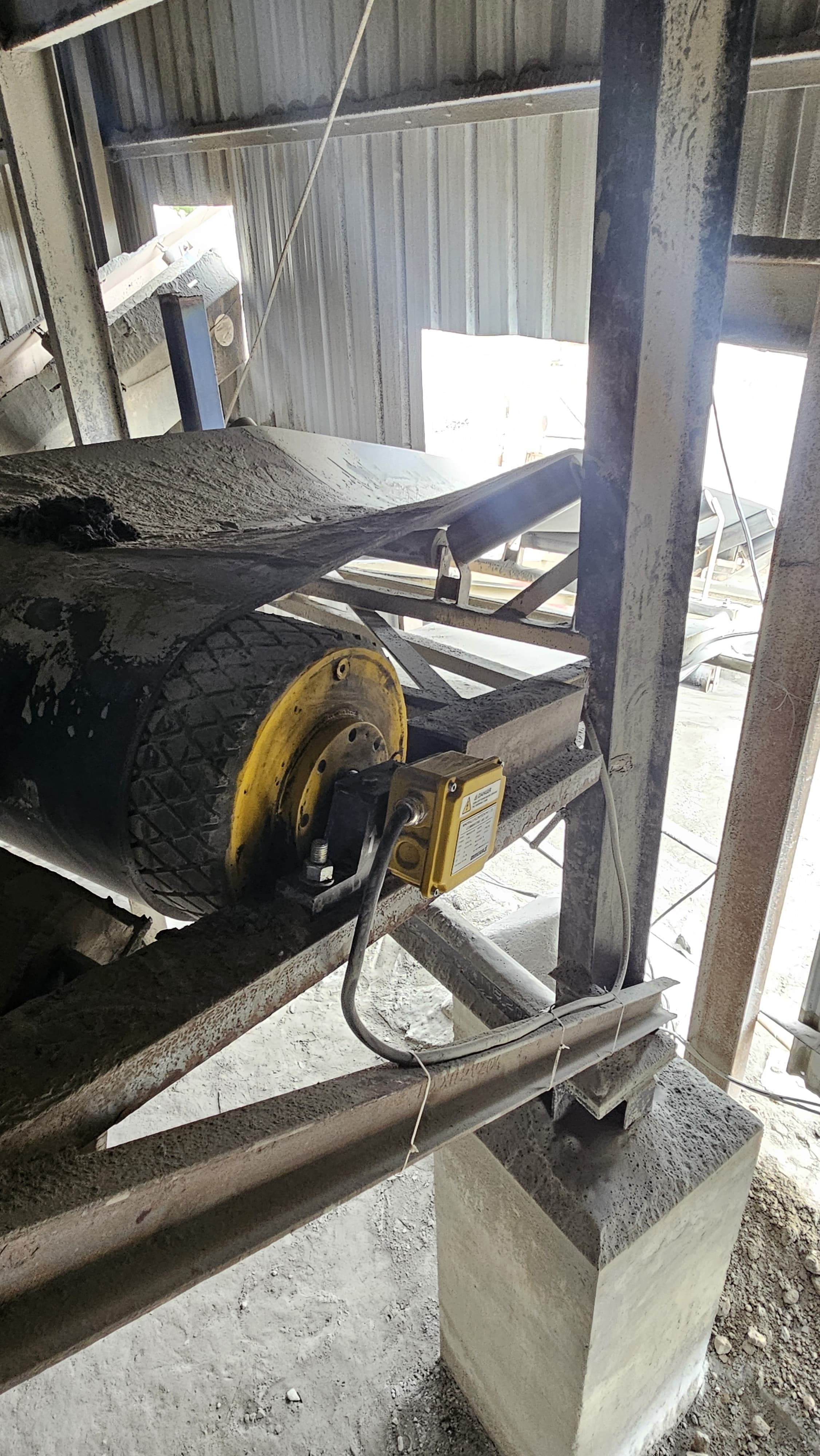
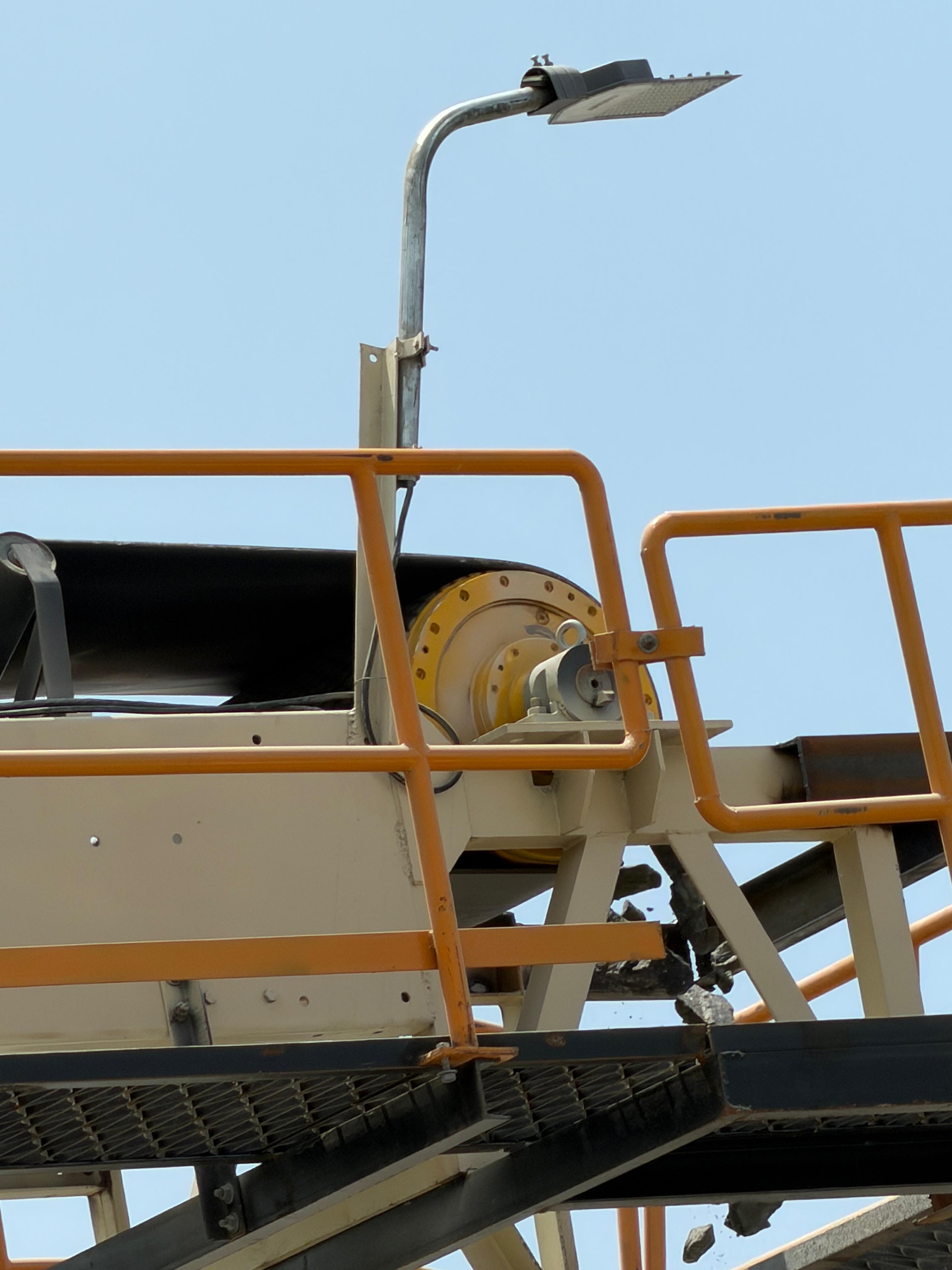
The conveyor belt application in India spans several industries. Mining, cement, ports, and logistics require reliable drives. Recycling and manufacturing facilities also depend on conveyors. Each application needs different torque, speed, and protection.
Mineralx Flowtech offers motorized pulleys across multiple configurations. Its product range includes 138mm to 630mm diameters. Options cover light, medium, and heavy-duty applications. Buyers can explore solutions based on operating requirements.
Drum Motor vs Conventional Conveyor Drive
Both systems can power industrial conveyor belt operations. However, their construction and maintenance needs differ.
| Comparison | Drum motor | Conventional external drive |
| Motor location | Inside the drum | Outside the conveyor |
| Installation | Compact arrangement | Requires additional space |
| Moving parts | Mostly enclosed | More exposed components |
| Maintenance | Fewer external maintenance points | More components to inspect |
| Safety | Enclosed drive arrangement | Additional guarding required |
| Initial cost | Depends on configuration | Depends on system design |
Drum motors offer advantages where space remains limited. Conventional drives may suit certain existing installations. Evaluate lifecycle costs before selecting either option.
How to Reduce Your Overall Purchase Cost
The cheapest quotation does not always deliver savings. Poor sizing can increase energy and maintenance expenses. Use these practical steps before making decisions:
- Calculate conveyor load and required operating speed.
- Select suitable torque and motor power ratings.
- Avoid unnecessary customisation and oversized components.
- Check warranty coverage and available spare parts.
- Compare sealing quality and material specifications.
- Consider installation costs and future maintenance requirements.
- Request technical support before finalising your purchase.
Focus on total ownership costs, not purchase price. This approach supports better long-term investment decisions.
Why Consider Mineralx Flowtech?
Choosing the right manufacturer matters for reliable performance. Mineralx Flowtech provides industrial conveyor drive solutions. Its motorized pulleys integrate motors, gearboxes, and bearings. The sealed construction supports demanding material handling environments.
Key product features include:
- Motorized pulley diameters from 138mm to 630mm.
- IP66/IP67 protection options for suitable applications.
- Variable Frequency Drive (VFD) compatibility.
- Optional stainless steel construction and pulley lagging.
- Light, medium, and heavy-duty configurations.
- Solutions for mining, cement, ports, and recycling.
The technical team supports application-based product selection. Buyers can discuss load, speed, and installation requirements. This helps identify suitable conveyor drive configurations.
Get the Right Drum Motor at the Right Price
Every conveyor system has different operating requirements. A standard price cannot cover every configuration accurately. Share your technical requirements before comparing supplier quotations.
Contact Mineralx Flowtech for application-specific recommendations. Get support for selecting suitable motorized pulley configurations. Request a customised quotation for your conveyor project.
Frequently Asked Questions
1. What is the drum motor price in India?
Prices vary according to power, diameter, and specifications. Request quotations based on your conveyor requirements.
2. What is a drum motor used for?
Drum motors drive conveyor belts through integrated components. Industries use them for transporting materials and products.
3. Is a drum motor better than a conventional motor?
Drum motors offer compact designs and enclosed components. Conventional drives may suit specific installation requirements better.
4. Which industries use drum motors in India?
Mining, cement, food processing, and logistics use drum motors. Recycling and manufacturing facilities also use these systems.
5. What factors determine drum motor costs?
Power, torque, diameter, sealing, and materials affect pricing. Customisation and warranty coverage also influence quotations.
6. What is the difference between a drum motor and motorized pulley?
Both terms commonly describe integrated conveyor drive equipment. The motor and gearbox operate inside the pulley housing.
7. Are drum motors suitable for heavy-duty applications?
Yes, suitable configurations support demanding industrial applications. Select the correct torque, power, and protection rating.
8. What does IP66 or IP67 mean?
These ratings describe protection against dust and water. The required rating depends on operating conditions.
9. Can drum motors operate with a VFD?
Yes, compatible drum motors can work with VFD systems. Confirm motor compatibility and operating limits with manufacturers.
10. How do I get a drum motor quotation?
Share your belt width, speed, load, and operating conditions. Manufacturers can recommend suitable models and provide quotations.
.jpeg)