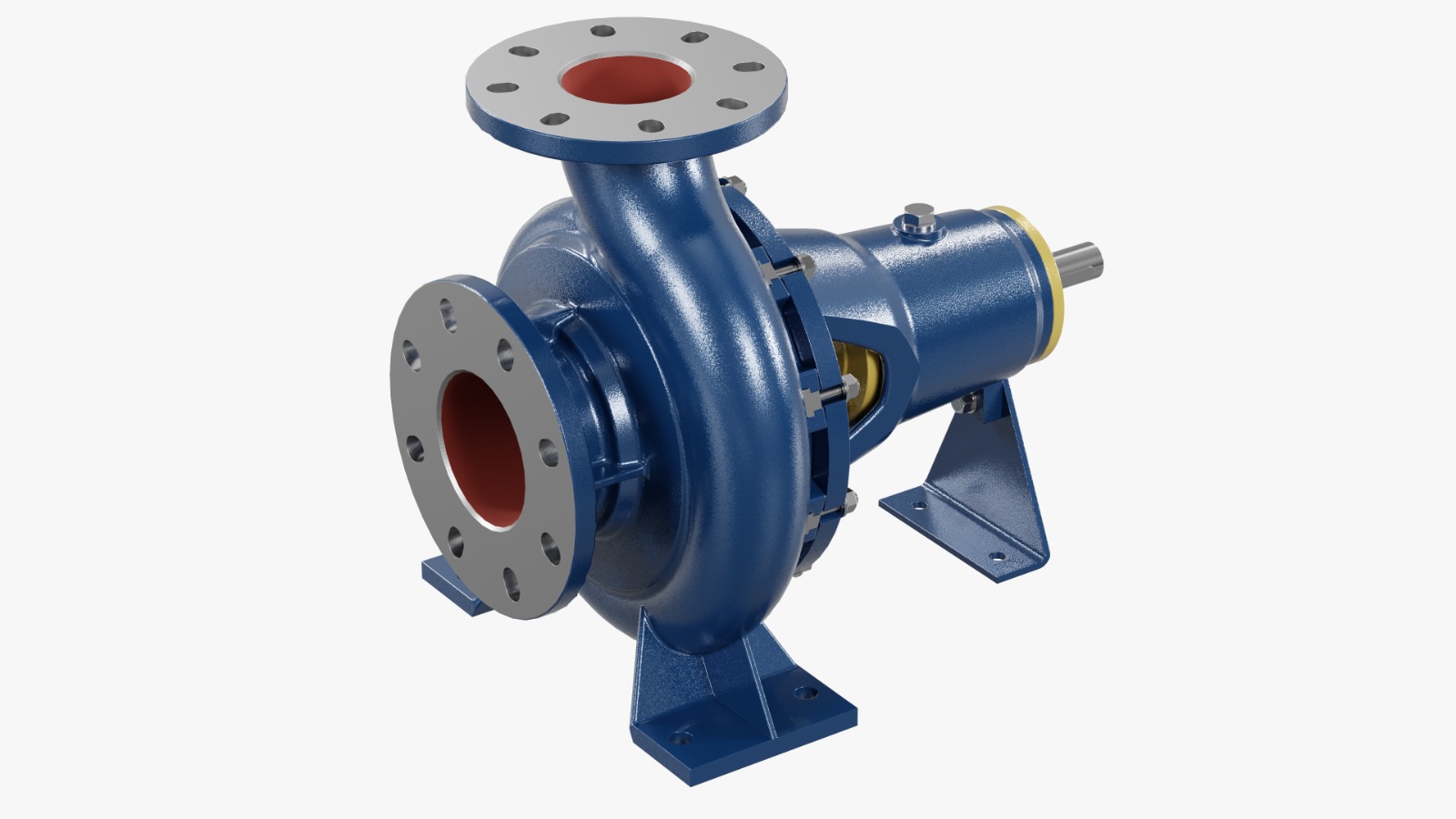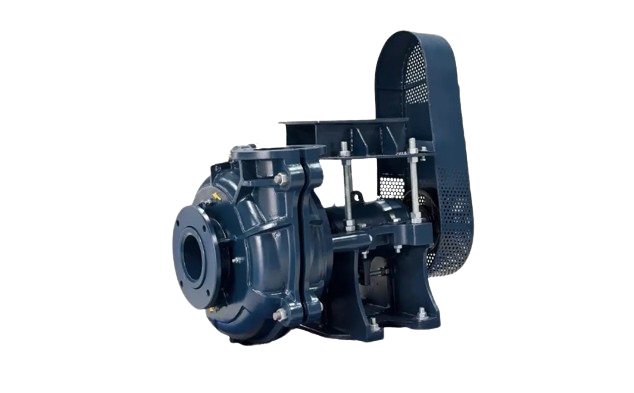
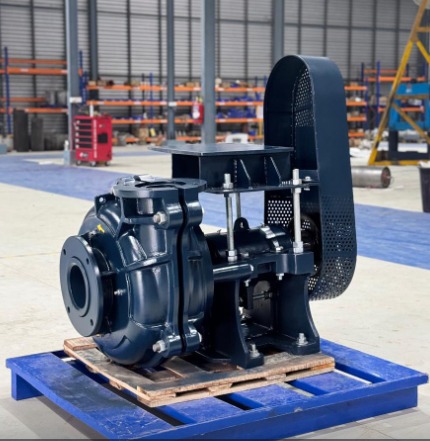
Slurry pumps are critical in industries like mining, mineral processing, and chemical processing. They handle abrasive and corrosive slurries, so material selection is crucial to ensure durability, efficiency, and cost-effectiveness. Understanding the materials used in slurry pump construction helps businesses choose the right equipment and work with the best suppliers.
1. High-Chrome Alloy
High-chrome alloys are commonly used for impellers and pump casings. They offer exceptional wear resistance and can handle highly abrasive slurries. Slurry pump manufacturers in Coimbatore often recommend this material for heavy-duty applications due to its long service life.
2. Stainless Steel
Stainless steel is corrosion-resistant, making it ideal for acidic or chemically aggressive slurries. Its durability and low maintenance requirements make it a favorite among High Quality pump manufacturers.
3. Rubber Linings
Rubber linings are used in pump casings and impellers for handling slurries with moderate abrasiveness. They reduce wear, minimize noise, and offer flexibility in dealing with variable slurry properties.
4. Cast Iron
Cast iron is cost-effective and widely used for light to medium-duty slurry pumps. While less resistant to corrosion, its mechanical strength makes it suitable for many industrial processes.
5. Alloy Steel
Alloy steel provides a balance between strength and wear resistance. Components like pump shafts often use alloy steel for high stress tolerance and extended operational life.
6. Polyurethane
Polyurethane coatings or components offer excellent abrasion resistance while being lighter than metal. They are especially used in slurry pumps that handle fine, abrasive slurries.
7. Duplex Stainless Steel
Duplex stainless steel combines the corrosion resistance of stainless steel with enhanced strength. It is ideal for highly corrosive slurries with moderate abrasiveness, commonly used in chemical and pulp industries.
8. Ni-Hard Alloys
Ni-Hard alloys are nickel-based and extremely wear-resistant. They are perfect for pumps dealing with extremely abrasive slurries, extending the lifespan of both impellers and casings.
9. Ceramic Materials
Ceramic linings are used in applications where maximum wear resistance is required. They handle highly abrasive slurries efficiently but are more brittle, so they’re typically used in combination with other materials.
10. Carbon Steel
Carbon steel is often used for structural components and pump frames. It is cost-effective, strong, and works well in environments where corrosion is minimal.
Conclusion
Selecting the right material for slurry pump construction is key to optimizing performance, reducing maintenance costs, and ensuring longevity. Whether you require robust metal alloys, flexible rubber linings, or high-end ceramics, working with leading pump manufacturers in India, especially trusted slurry pump manufacturers in Coimbatore, ensures access to High Quality pump manufactures who can recommend the best material based on your operational needs.
.jpeg)
.jpeg)